
I bought my first home at 22, and I still remember how much I didn’t know. Everyone had advice, but no one explained the whole process in a way that actually made sense.
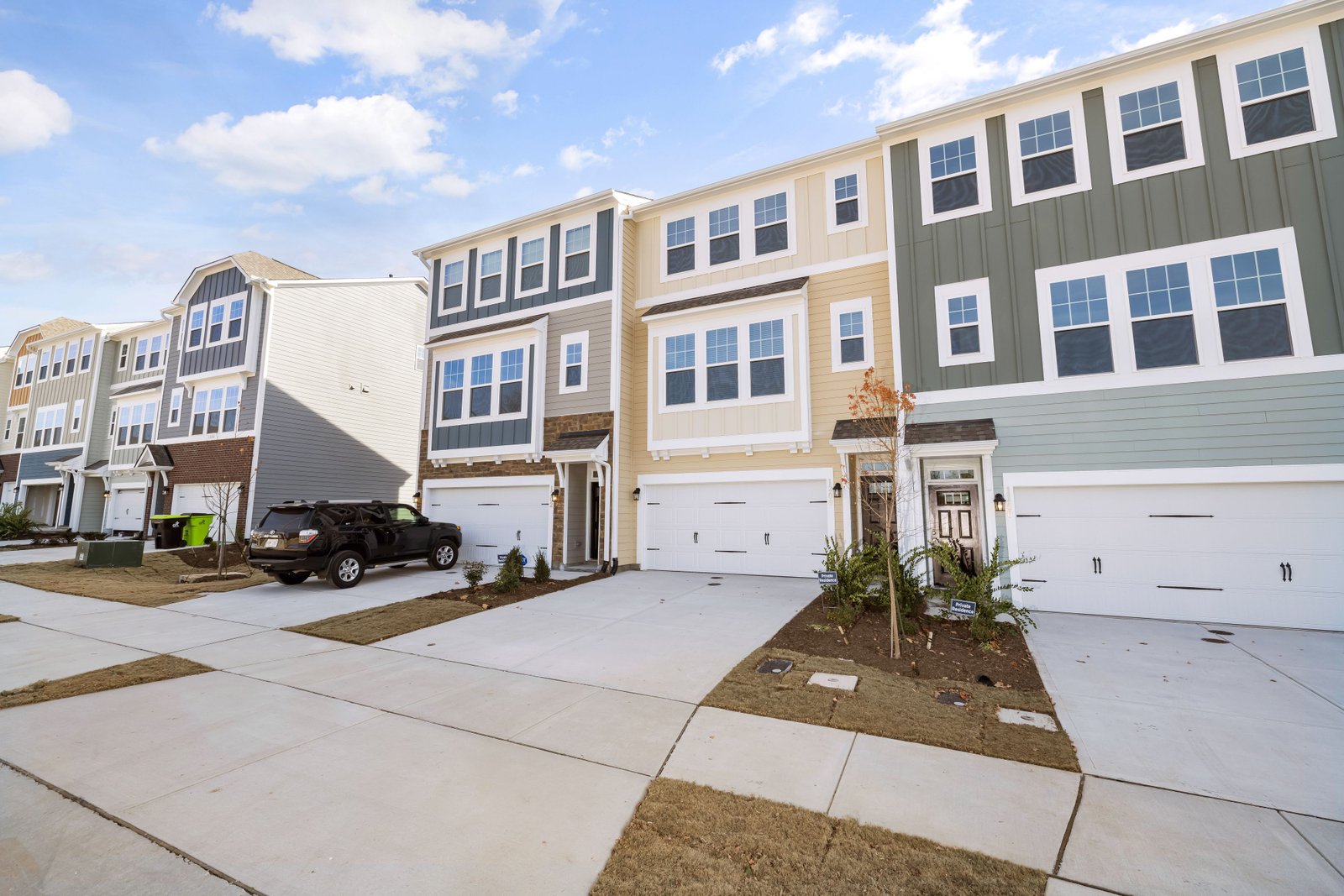
If you’re thinking about buying a brand-new home in Denton County, I want you to feel confident before you ever walk into a model home. Here’s the roadmap I walk my buyers through.
Step 1: Get Your Money Ready
This part feels scary, but it’s much easier once you have real numbers.
- Talk to a lender early. A preapproval shows you what you can realistically afford, and builders will often ask for one.
- Look at the full monthly payment. The price is only part of it. Property taxes, insurance, and any neighborhood fees all count.
- Plan for three kinds of cash: your down payment, closing costs, and earnest money.
- Ask about loan options. There are more than most people realize, and your lender can walk you through which ones fit your situation.
A local tip: Many newer Denton County communities have extra fees or special tax districts (you may hear the terms MUD or PID). They can change your total monthly cost, so always ask about them up front.
Step 2: Know What You Want
Before you tour, make a short list. Think about:
- Your must-haves (bedrooms, a home office, a yard) versus your nice-to-haves
- Your commute and daily routine
- How much space you’ll want a few years from now
A clear list keeps the model homes from blurring together, and it keeps you from falling for a feature you’ll never use.
Step 3: Tour Model Homes With a Plan
Model homes are gorgeous, and they’re designed to be. Here’s how to see past the staging:
- Bring your agent to your very first visit. Many builders ask about representation at that first visit, and it’s much harder to add an agent later. The builder’s sales team works for the builder, and I work for you.
- Look at the floor plan and the lot, not just the decorated model.
- Ask what’s included in the base price and what counts as an upgrade. Upgrades add up quickly.
- Take photos and notes so you can compare builders later.
- Tour at least two or three builders before you decide.
Step 4: Choose Your Home and Sign the Contract
Once you’ve found the one, you’ll sign a contract with the builder and put down earnest money. Builder contracts are different from a typical resale contract, so take your time and read it carefully.
Ask questions like:
- What’s the estimated completion timeline, and what happens if it shifts?
- How do upgrade and design selections get priced?
- What does the builder warranty cover, and for how long? Ask for it in writing.
- If the builder offers incentives, what are the terms? If they’re tied to using a preferred lender, ask for a loan estimate from your own lender too, so you can compare.
Step 5: Build, Check In, and Inspect
While your home is being built, you’ll make design selections and watch the progress. I recommend hiring an independent inspector at key stages, not just at the end. A new home can still have mistakes, and it’s easier to fix things while the walls are still open.
Step 6: Closing Day and Keys
Near the finish line, you’ll do a final walkthrough, review your closing paperwork, and sign. Then you get your keys. Timelines vary by builder and by home, so I’ll help you plan around yours.
Why Work With an Agent for New Construction?
I get this question a lot: “Do I need an agent if the builder’s sales rep is so helpful?” Here’s my honest answer. The sales team is friendly and knowledgeable about their homes, but they represent the builder. Having your own agent means someone is in your corner, helping you compare builders, read the contract, and ask the questions you might not think to ask.
Want Everything in One Place?
I put this whole process into a free, easy-to-read guide you can save to your phone.
If you’re ready to talk about your own plans, I’d love to help. I offer a free mini consult over Zoom or coffee, totally your choice.
This post is general information, not legal, tax, or financial advice. Prices, rates, and builder incentives change often, so confirm current details with the builder and your lender. Last updated October 2026.